
Sktechnology
cyber security with machine learning

10 Ways The World of Cybersecurity is Being Reshaped by Machine Learning

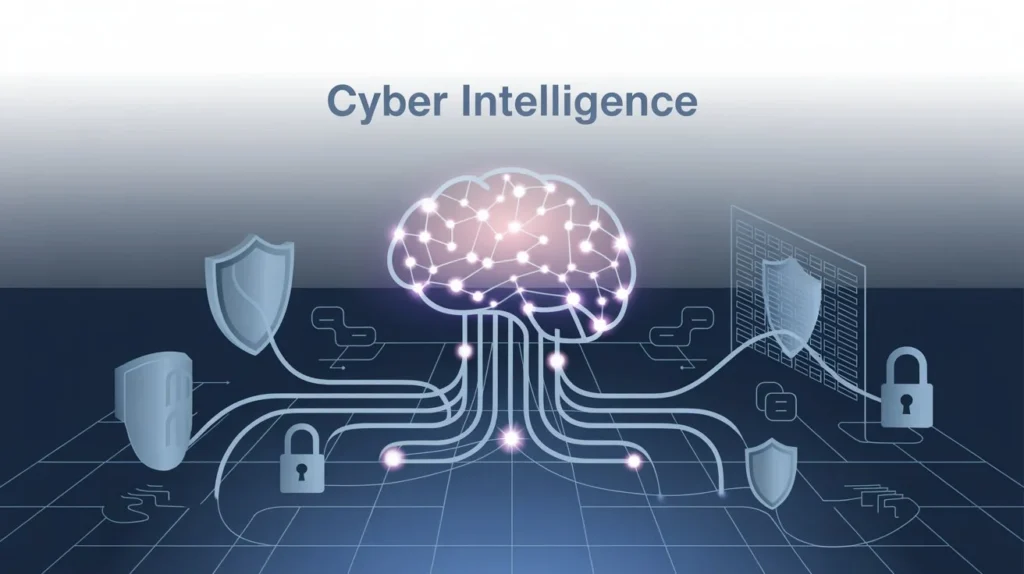
Hacking has taken a new streamlined face that is more sophisticated, faster and difficult to detect by conventional security measures. Cybersecurity machine learning is transforming the way organizations safeguard their digital resources through the analysis of trends, forecasting threats, and reacting to attacks on-the-fly. Millions of data points are processed by this technology in a single instance, determining known and emerging threats, which traditional tools do not even detect.

Machine Learning in Cybersecurity (ml-cybersecurity-header. Web)

1. How Machine Learning in Cyber Security Creates Smarter Defense Systems

Constructive cybersecurity is based on the ability to recognize abnormal behavior and identify normalcy. Machine learning systems are constantly processing large volumes of data such as network traffic, user behavior, system logs and application behavior. Anything that does not conform to the patterns is automatically flagged in such systems to be reviewed or automatically responded to. The only strength of this approach is that it can learn and adapt. Conventional security tools are fixed, and they are only manually updated, whereas machine learning in cybersecurity enhances its detection with each interaction. The larger the amount of data that is fed into these systems the more the systems will understand the difference between a real threat and a harmless anomaly.

2. Smart Threat Detection Which evolves continuously

The main benefit of machine learning cybersecurity is that it identifies threats that the traditional tools fail to notice. These systems are continuously tracking network traffic, user activities and system activities on a 24/7 basis, creating some baseline trends of what is considered normal operations within your organization. In the cases when something out of the ordinary happens, be it an employee accessing files that they have never touched or network traffic being directed to questionable locations, machine learning and cyber security products are quick to detect deviations. The technology is able to process millions of data points at the same time and detect subtle warning signs that human analysts would otherwise not have been able to detect manually. This round-the-clock monitoring is priceless in terms of defense against zero-day attacks and sophisticated persistent threat zero-target attack patterns aimed directly at avoiding conventional detection tools.

3. Automated Response which reduces the damage

The reaction to security incidents is time sensitive. When the attackers are trying to compromise your systems or steal sensitive data, every second matters. Machine learning in cyber security provides automated reactions that are capable of isolating systems that are compromised, preventing malicious traffic, and triggering a containment process within milliseconds of threat detection. This automation does not make the services of security professionals unnecessary but makes them more able to concentrate on sophisticated strategic choices and lets the machine perform the tactical answers. The speed of the machine with the human knowhow produces a more effective defense strategy than either could accomplish by themselves.

4. Behavior Analysis that is Contextual

Habits of all the users in your organization are different. Others have to work late, some frequent certain databases, and the majority of them have predictable schedules. Machine learning creates a comprehensive behavioral profile of each user and each system in your network. Even the credentials that appear genuine are identified through these profiles as suspicious. When a certain account starts to act in a way that is not consistent with its past, it becomes indicated on the system as being compromised. This methodology identifies insider threats, credentials and account takeovers that circumvent conventional authentication.

5. Advanced Email Filtering Against Phishing Attacks

The most common point of attack is through email. Phishing attacks are becoming more advanced, and they can take the shape of a real message with frightening accuracy. Machine learning security software analyses a lot of aspects other than mere keywords to detect suspicious emails. They evaluate sender reputation, routing information, linguistic patterns, link destinations and attachment features to evaluate the threats. With a combination of several indicators, machine learning is significantly more accurate than the standard spam filters, and reduces instances of false positives that prevent business messages to go through. Check out SK Technology’s Enterprise Email Security services in Dubai for tailored email filtering, encryption, and anti-phishing solutions.

6. Next-Generation Malware Detection

Cybercriminals constantly modify malware code to evade signature-based detection systems. Traditional antivirus software struggles against these evolving threats because it relies on recognizing known malware signatures. Machine learning cybersecurity approaches the problem differently by analyzing what files actually do rather than what they look like. These intelligent systems examine file behaviors, code structures, system interactions, and execution patterns to identify malicious intent regardless of how the malware has been disguised or modified. This behavioral analysis catches new malware variants immediately rather than waiting for signature databases to be updated.

7. End-to-end Monitoring of Network Traffic

The contemporary networks generate immense quantities of traffic in one second. It is impossible to monitor it manually. Nevertheless, among that flow there are concealed indicators of security breaches, data theft and broken systems. Machine-learning cyber-security applications analyze traffic on-the-fly and identify suspicious patterns that indicate the possibility of an incident. These tools train themselves on the appearance of normal traffic in your environment, and then raise flags when something odd is detected: unusual traffic flows, unusual communication patterns or unusual connection attempts. The outcome will be the detection of data exfiltration, command-and-control messages and movement of attackers within your network at an early stage.

8. Active Prevention of vulnerabilities

Not all the vulnerabilities are risky. There are theoretical weaknesses, which may never be used and those that are threatening as of today, depending on the attacker methods. Machine-learned cyber-security systems train upon your infrastructure and worldwide threat data to determine which vulnerabilities are at the most risk of being exploited. This foresight permits security teams to make patching decisions on the most threatening vulnerabilities initially, rather than on an equal basis when responding to all updates. The systems have the ability to alert of the emergent threats by understanding the patterns of attack across industries and detecting them before they proliferate.

9. Real-Time Fraud Detection and Prevention

Every year, financial fraud costs companies billions of dollars and attackers are always finding new methods of going around security. Cybersecurity machine learning analyses transaction patterns, user behavior, device characteristics, and context to indicate fraud real-time. These systems safeguard data and ensure that the customers are happy. They are sensitive to detecting fraud but shut down false alarms that irritate valid users. The technology also keeps up with criminals as it learns new fraud methods and remains effective to date.

10. Showing intelligent security alerts

Although many tools exist, security teams are prone to alert fatigue as they can receive hundreds or thousands of notifications daily. Although false alarms and low-priority warnings make up the bulk of notifications, there are genuine risks that need to be addressed right away. Machine-learning security corrects this fact by intelligently correlating and ranking alerts. The system aggregates alert out of varying sources, correlates related incidents and provides teams with clear and contextual threat information rather than raw data feeds. This enhances quicker responses and also makes sure that the analysts are working on real dangers rather than on false alarms. Pair this with Managed Security Services from SK Technology, which help in correlating incidents and providing 24/7 threat intelligence and alert customization.
cyber security with ai

Human-Machine Security Partnership

Cyber security machine learning does not eliminate professionals. It will divert them away their tedious control towards strategic leadership. As long as systems handle data, discern patterns and triggers responses, humans apply judgement that is contextual, strategic and complex, which cannot be replicated by machines.
Also relevant: SK Technology’s Cyber Security Services offerings cover the wide gamut of prevention, detection, and response in integrated frameworks.

Frequently Asked Questions

1.What makes machine learning in cybersecurity more effective than traditional security tools?
While traditional cybersecurity technologies only identify threats from signature databases, machine learning cybersecurity uses behavioral patterns to detect known and unknown threats, offering better defense against zero-day vulnerabilities.

2.How does machine learning and cyber security technology improve over time?
These systems learn from every security event and interaction, continuously refining pattern recognition and improving threat detection accuracy while reducing false positives in your specific environment.

3.Can small businesses benefit from machine learning in cyber security?
Yes, cloud-based security services offer protection against threats that outweigh conventional security measures and enterprise-grade machine learning cybersecurity capabilities at affordable pricing.

4.What types of threats does machine learning cybersecurity detect most effectively?
Machine learning in cyber security excels at detecting insider threats, compromised credentials, phishing attacks, malware variants, data exfiltration attempts, and sophisticated attacks designed to mimic legitimate activities.

5.How long does implementation of machine learning and cyber security solutions typically take?
Initial deployment takes days to weeks, with systems requiring several weeks to establish behavioral baselines for optimal accuracy and continuous improvement as they learn organizational patterns.


Leave a Comment

Your email address will not be published. Required fields are marked *